How often should my dog be groomed?
By [YOUR NAME], head groomer · 14 March 2026 · 5 min read
It is the question we hear most at the front desk, and the honest answer is: it depends on the coat. The good news is that most dogs fall into one of a few groups, and once you know which one yours is in, planning grooms gets much easier.
Short, smooth coats
Breeds like Staffies, Kelpies and Frenchies have short coats that do not grow much. They do not need haircuts, but they still shed, and their skin benefits from a proper wash. A Bubble Bath every six to eight weeks keeps them clean and cuts down the hair on your couch. In between, a quick weekly brush with a rubber mitt does wonders.
Double coats
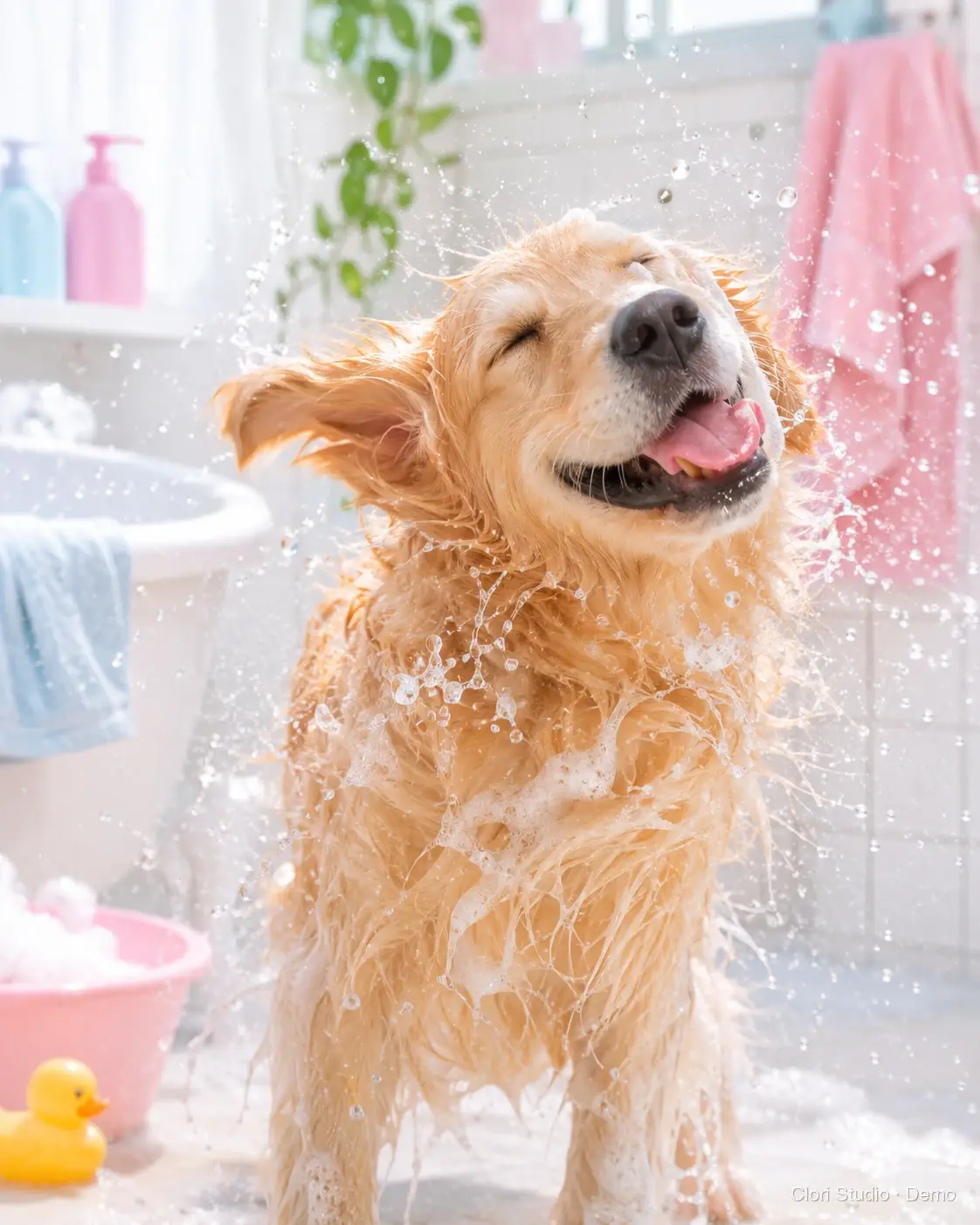
Golden retrievers, Shibas, Huskies and Border Collies have a soft undercoat beneath a tougher outer coat. They shed heavily, especially in spring and autumn. Every six to eight weeks is a good rhythm, with an extra de-shedding bath when the seasons change. Please do not shave a double coat unless your vet recommends it: the undercoat helps them stay cool in summer and warm in winter.
“The best grooming schedule is the one that keeps your dog comfortable between visits, not just on the day.”
Curly and long coats
Poodles, Cavoodles, Bichons, Maltese and Shih Tzus have coats that keep growing. Without regular cuts they mat, and matting pulls on the skin and can hide irritation. These dogs usually need a Full Groom every four to six weeks. If you like a longer, fluffier style, book closer to four weeks and brush at home two or three times a week.
Not sure which brush to use? A slicker brush followed by a metal comb is the combination we recommend most. If the comb glides through to the skin, you have done a great job.
Puppies
Puppies do not need much grooming, but they need practice. A short, happy first visit around 12 weeks of age (after vaccinations) teaches them that the tub, the dryer and having their paws touched are no big deal. We then suggest a quick visit every four to six weeks until their adult coat comes in, so grooming stays familiar.
Signs it is time for a groom
- You can feel knots behind the ears, under the legs or around the collar.
- Nails click on the floor when your dog walks.
- Hair is growing over the eyes or between the paw pads.
- Your dog smells “doggy” a few days after a bath at home.
- They are scratching more than usual (and your vet has ruled out other causes).
Between visits
A few minutes at home makes a big difference to how your dog looks and feels between grooms. Brush the areas that tangle first: behind the ears, under the collar, the armpits and the back of the legs. Check the paws after walks for grass seeds, especially in spring and summer. Wipe around the eyes with a soft damp cloth if your dog has a light coat that stains.
Keep home baths simple: lukewarm water, a dog shampoo (never human shampoo, which is the wrong pH for their skin) and a very thorough rinse. Leftover shampoo is one of the most common causes of itchy skin we see in the salon.
Let us help you plan
At your first visit we will have a look at your dog’s coat and skin and suggest a rhythm that suits them and your budget. Many owners book their next visit at pick-up, which keeps things easy and guarantees a spot on the day you want.
Every dog is different, and coats change with age, season and health. If something changes, or you just want a second opinion, ask us. We are always happy to chat about coats.